


Do Dental Implants Need Replacement Over Time?
A dental implant is designed to be a long-term solution, not a temporary fix. Still, patients considering treatment often ask, “do dental implants need replacement?” The precise answer is that the implant post in the jaw can last for decades or even a lifetime, while the visible tooth restoration attached to it may eventually need repair or replacement.
That distinction matters when you are planning care, especially if you are traveling to Costa Rica for treatment. A successful implant case is not only about placing a titanium implant. It requires accurate diagnostics, healthy gums and bone, a precisely designed restoration, and long-term follow-up that protects both function and appearance.
Do Dental Implants Need Replacement? The Short Answer
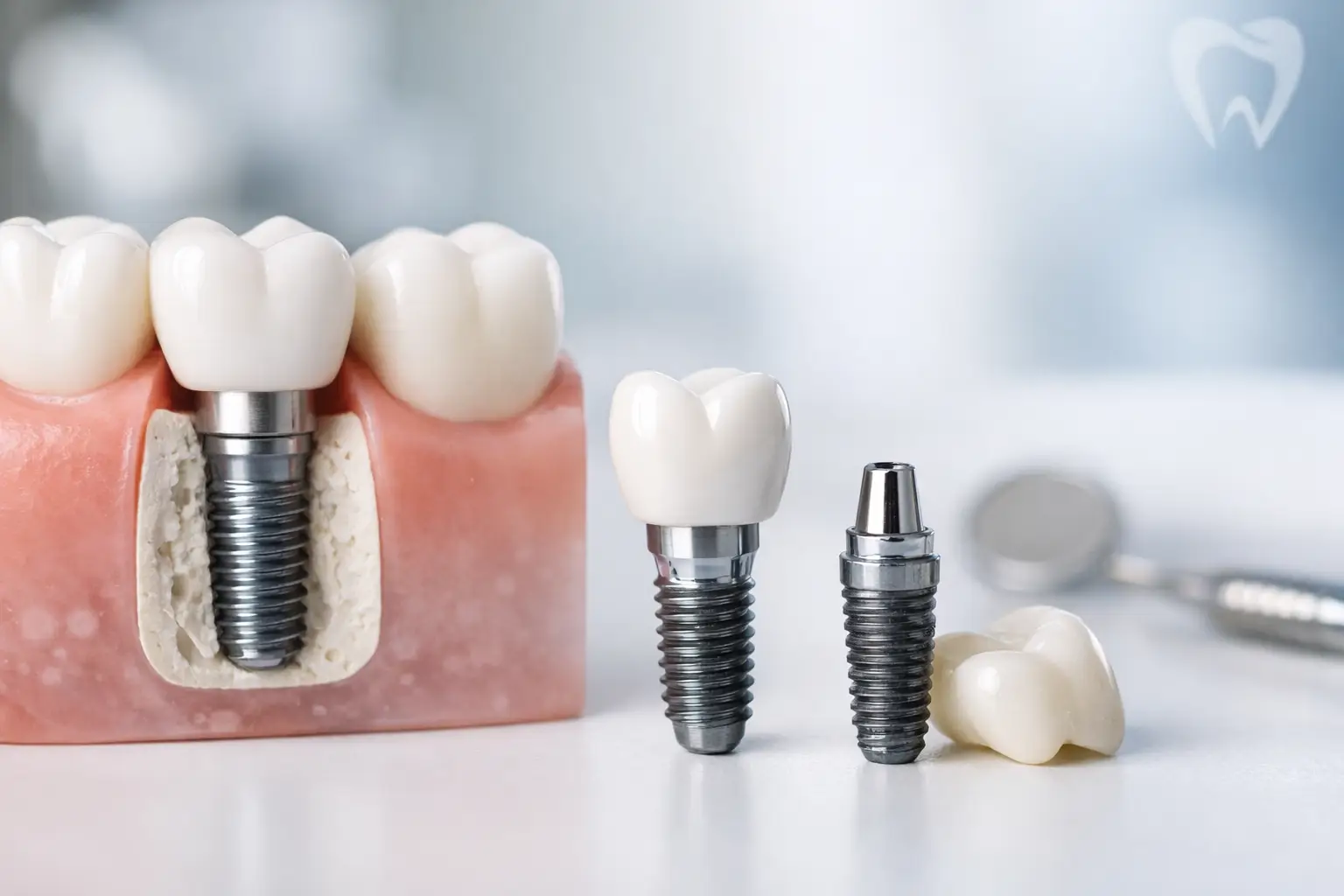
Dental implants have two main components. The implant itself is a small titanium or ceramic post placed in the jawbone to replace a missing tooth root. Once it heals and integrates with bone, it provides a stable foundation. The crown, bridge, or full-arch prosthesis is the visible restoration that recreates the tooth or teeth above the gumline.
In many cases, the implant post does not need to be replaced. Research and clinical experience show that well-planned implants can remain stable for many years. The crown or prosthesis, however, is exposed to daily biting forces, temperature changes, and normal material wear. Depending on the material, bite, hygiene, and maintenance, it may require replacement after 10 to 15 years, sometimes sooner and sometimes much later.
A loose screw, a chipped ceramic crown, or wear on an acrylic full-arch restoration does not automatically mean the implant has failed. Often, the restorative component can be repaired or renewed while the implant remains healthy and secure.
What Determines How Long an Implant Lasts?
Longevity begins before surgery. Modern implant treatment should be guided by a complete evaluation of bone volume, gum health, bite forces, neighboring teeth, and aesthetic goals. Three-dimensional imaging and digital treatment planning help the clinical team select the ideal implant position and restoration design rather than relying on a one-size-fits-all approach.
Your oral health also plays a central role. Active gum disease, uncontrolled diabetes, heavy smoking, and poor home care can increase the risk of inflammation and bone loss around implants. These factors do not always make treatment impossible, but they must be managed carefully before and after placement.
Bite forces are another major consideration. A patient who clenches or grinds their teeth may place significant pressure on an implant crown or bridge. In these cases, a custom night guard can protect the restoration and reduce the chance of fractures, screw complications, or excess wear. For full-mouth rehabilitation, the bite must be planned across the entire smile, not tooth by tooth.
The Implant Post vs. the Restoration
Patients often hear that implants “last forever,” but this statement needs context. The implant post is protected within the jawbone and, when it remains integrated and free of infection, may provide lifelong support. The restoration is different. It is a carefully engineered tooth replacement, but it is still a functional surface that can wear over time.
A single implant crown made from high-quality ceramic may remain attractive and functional for many years. Eventually, it can develop small chips, changes in polish, wear where it contacts opposing teeth, or a shade mismatch if natural teeth change color. Replacing the crown can refresh the smile without removing the implant.
For All-on-4 or All-on-X treatment, a full-arch prosthesis is attached to several implants. This approach can deliver a dramatic improvement in stability, comfort, and confidence for patients with multiple failing or missing teeth. Because an entire arch carries daily bite forces, periodic maintenance and eventual prosthesis renewal should be expected as part of long-term care. The supporting implants may still be healthy.
When an Implant May Need Treatment or Replacement
True implant failure is less common than a restoration issue, but it can occur. Early failure may happen when the implant does not integrate fully with bone during healing. Later complications can develop from peri-implant disease, a condition involving inflammation and bone loss around an implant, or from excessive mechanical stress.
Warning signs deserve prompt evaluation. These include bleeding or swelling around the implant, persistent discomfort, pus, a bad taste, gum recession, a loose crown, or a change in how your bite feels. An implant should not move. If mobility is present, the situation needs professional attention quickly.
Treatment depends on the cause. A loose restoration may simply need screw tightening or replacement. Inflammation may require a detailed cleaning, changes to home care, and treatment of the gum tissues. If bone loss is advanced or the implant has lost integration, removal may be necessary. After healing and, in some cases, bone grafting, a new implant may be placed. This is why early monitoring is so valuable: many concerns are easier to manage before they become complex.
Why Restoration Design Makes a Difference
An implant restoration must do more than look like a tooth. It needs to support cleanable gum contours, distribute biting forces appropriately, fit accurately, and complement your facial features and smile line. Poorly shaped or poorly fitted restorations can trap plaque, irritate gum tissue, or create bite pressure that shortens their service life.
Digital impressions, guided planning, and high-quality laboratory work improve precision at each stage. They also help make future maintenance more predictable. When a crown or bridge is designed with the right access and fit, clinicians can often service it efficiently if a screw needs attention or a restoration must be renewed.
For international patients, this level of planning is especially useful. A coordinated treatment timeline can clarify whether you are receiving implant placement, final restorations, or a staged approach with a temporary prosthesis while healing occurs. It also ensures you understand what follow-up care will be needed once you return home.
How to Protect Your Implant Investment
Implants cannot get cavities, but the gums and bone around them still require consistent care. Brush carefully along the gumline, clean between teeth or beneath a bridge as recommended, and keep professional hygiene visits on schedule. The best tools vary by restoration type. A single crown may require floss or an interdental brush, while a fixed full-arch prosthesis may require specialized brushes or a water flosser.
Avoid using implant teeth to open packages, bite hard objects, or chew ice. If you grind your teeth, wear the protective appliance prescribed for you. Regular examinations allow your dentist to assess the gums, bite, restoration surfaces, and supporting bone before minor changes become expensive repairs.
Smoking cessation, good control of medical conditions, and periodontal maintenance are equally practical investments in implant longevity. These habits protect not only implant treatment but also the health of your remaining natural teeth.
Choosing a Long-Term Implant Plan
The lowest initial price is not always the lowest long-term cost. A properly planned implant case considers surgical placement, restoration quality, gum health, aesthetics, bite function, maintenance needs, and the availability of future service. Patients should ask what materials are being used, whether a temporary restoration is included, how the final bite will be evaluated, and what maintenance is recommended.
At OG Center Healthcare, digitally guided diagnostics and comprehensive restorative planning help patients approach implants as a complete oral health investment. Whether the goal is replacing one tooth or rebuilding a full smile, treatment should be designed around predictable function, natural appearance, and a maintenance plan that fits your life.
A dental implant is not a set-it-and-forget-it procedure, but it can be an exceptionally durable foundation. With precise planning, quality restoration work, and consistent care, the goal is not simply to replace a missing tooth today. It is to preserve a healthy, confident smile for many years ahead.